Respite Care in Assisted Living and Nursing Homes: What Families Ought To Know About Short-Term Senior Care
Business Name: BeeHive Homes of Portales
Address: 1420 S Main Ave, Portales, NM 88130
Phone: (505) 591-7025
BeeHive Homes of Portales
Beehive Homes of Portales assisted living is ideal for those who value their independence but require help with some of the activities of daily living. Residents enjoy 24-hour support, private bedrooms with baths, medication monitoring, home-cooked meals, housekeeping and laundry services, social activities and outings, and daily physical and mental exercise opportunities. Beehive Homes memory care services accommodates the growing number of seniors affected by memory loss and dementia. Beehive Homes offers respite (short-term) care for your loved one should the need arise. Whether help is needed after a surgery or illness, for vacation coverage, or just a break from the routine, respite care provides you peace of mind for any length of stay.
1420 S Main Ave, Portales, NM 88130
Business Hours
Families often reach out about respite care at a breaking point. A partner has not slept through the night in months. An adult kid is juggling a full‑time job, parenting, and day-to-day visits to a parent who needs assist with nearly everything. A fall, a hospitalization, or simply caretaker fatigue lastly requires the question: is there a safe place my loved one can remain for a brief time while we regroup?
Respite care in assisted living and nursing homes exists precisely for these minutes. Used well, it can support a difficult situation, avoid burnout, and even enhance long‑term outcomes for both the older grownup and the main caretaker. Used poorly, it can feel rushed, puzzling, and disruptive.
This is a comprehensive look at what households need to understand before arranging short‑term senior care, with a concentrate on how respite works inside assisted living neighborhoods and skilled nursing centers, and what trade‑offs to expect.
What respite care really suggests in senior care
The term "respite care" merely implies momentary care that gives the usual caregiver a break. In practice, it generally describes a short stay in an assisted living community or a nursing home, in some cases called:
Respite stay.
Short‑term stay. Trial stay. 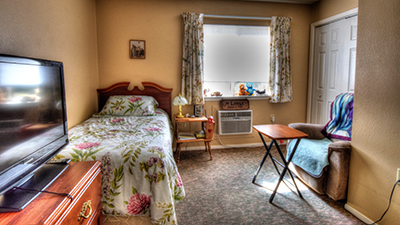
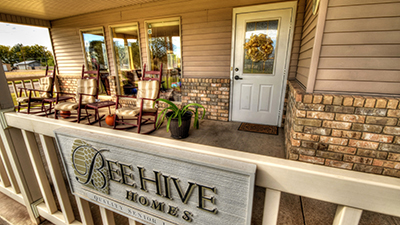
The function is not just to "park" someone. Excellent respite care intends to maintain security, address medical or functional needs, and offer structure, social contact, and some enjoyment while the family caretaker rests or deals with other urgent matters.
Most respite stays last from a couple of days to a few weeks. Some programs cap remains at 1 month, others are more versatile. I have seen families use respite annually for prepared caregiver holidays, and others use it as a bridge while home care services are being arranged or the home is being modified.
What respite care is not: a magic reset button or a way to repair long‑standing family dispute. It is a tool, one piece of the more comprehensive senior care tool kit, that works best when expectations are clear.
Why households turn to respite care
Caregivers rarely request assistance early. They tend to stretch until something provides. By the time respite care comes up, there is typically an urgent trigger. Common scenarios I see:
A spouse caring for a partner with dementia has actually gone months with broken sleep and is beginning to make errors, miss medications, or feel unsafe driving.
An adult child is covering most hands‑on care after work and on weekends, while likewise raising kids. A week of organization travel or a school trip lastly makes the schedule impossible. A hospitalization leads to release orders that are more complicated than in the past. The hospital wants to send out the client home, however the household understands the home setup is not ready. A caregiver has surgery, covid, or another disease and can not safely supply transfers, toileting assistance, or consistent guidance for a duration of time. Holidays or family crises extend everyone thin, and a short stay becomes the most reasonable way to keep an older adult both safe and cared for.Behind all of these is a simple reality: continual caregiving is work. Physically, mentally, economically. Respite care acknowledges this truth and integrates in breathing space without abandoning the older adult's needs.
Types of respite: assisted living versus nursing home
Respite care in assisted living and respite care in a nursing home both provide short‑term stays, however they are built on extremely different care models.
Assisted living is mainly a social and support model. Residents typically reside in apartment‑style units, get help with day-to-day activities such as bathing, dressing, and medications, and have access to meals, housekeeping, and activities. Nursing personnel might be on website, however 24‑hour skilled nursing is not the main design.
Nursing homes, or proficient nursing facilities, work on a medical design. They have actually accredited nurses all the time, more medical oversight, and the ability to manage complicated medical requirements, such as wound care, IV medications, oxygen management, tracheostomies, or extensive rehab therapies.
That distinction in core function forms what respite appears like in each setting.
In assisted living, respite stays are best fit for older adults who:
Need cueing or hands‑on assist with daily activities.
Are usually clinically stable. Might have early to mid‑stage dementia, as long as they are not highly resistive or prone to roaming into risky areas. Do best in a home‑like, social setting instead of an institutional one.In a nursing home, respite care makes good sense for older adults who:
Have just remained in the medical facility and still need rehab therapies.
Require experienced nursing jobs such as injections several times a day, complex wound care, or regular medical monitoring.Have advanced dementia with substantial behavioral symptoms that a normal assisted living can not manage. Need overall support with mobility and self‑care, particularly if safe transfers are tough at home.
The exact same individual might utilize each type at various points. I have worked with people who first used a nursing home stay after a hip fracture, then later on utilized respite in assisted living once they supported and no longer needed continuous medical care.
Key distinctions households notice
When families tour both types of communities, a few distinctions come up repeatedly. A succinct comparison helps set expectations.
Here is a short list of distinctions that often matter to families looking for respite care:
- Environment: Assisted living normally feels more like an apartment building or hotel, with typical lounges and dining-room. Nursing homes feel more medical, with nursing stations, more equipment, and shared rooms.
- Staff focus: Assisted living personnel spend more time on social engagement and day-to-day living support. Nursing home groups focus more on medical tasks, rehab, and scientific stability.
- Typical roommate circumstance: Assisted living respite stays are more often in private or semi‑private "visitor" units. In nursing homes, shared spaces prevail, specifically if insurance coverage is paying.
- Activity design: Assisted living calendars stress social activities, getaways, and entertainment. Nursing homes provide activities however need to accommodate individuals who are weaker or medically fragile.
- Cost structure: Assisted living respite is usually personal pay, typically at an everyday rate that includes a service package. Nursing home stays may include Medicare or Medicaid coverage under specific conditions, however personal pay is common when those do not apply.
Families ought to think less in regards to "which is much better" and more in terms of "which is the much safer and more appropriate match for my loved one's current needs."
What actually happens throughout a respite stay
Short term senior care in a residential setting has its own rhythm. Comprehending the circulation can reduce anxiety for both the older grownup and the family.
Admission begins with an assessment. A nurse or care organizer will review case history, existing medications, movement, continence, cognition, and diet plan requirements. Lots of neighborhoods require a current physical and TB test. This evaluation drives the care strategy, so offering accurate detail matters, even if some information feels personal.
The very first day or 2 are generally about orientation. Staff learn the resident's routine: what time they normally get up, morning practices, how they choose to bathe, what foods they do not like, whether they take a snooze. Older grownups who have never ever lived in a senior neighborhood may feel disoriented at first. Easy things like identifying clothing, bringing a familiar pillow or framed photos, and agreeing on a communication strategy can reduce the transition.
Daily life for respite locals normally mirrors long‑term citizens. They eat meals in the dining-room, sign up with activities if they wish, receive help based on the care strategy, and have housekeeping and laundry managed by staff. In nursing homes, there may be physical, occupational, or speech treatment sessions arranged numerous times a week if the stay is tied to rehabilitation.
Medical oversight during respite in assisted living is restricted to what that specific neighborhood deals. At a minimum, personnel handle medication administration and display for obvious changes. Some neighborhoods have an on‑site nurse practitioner who can resolve minor problems. For considerable medical modifications, families should expect that the resident may be sent out to the emergency situation department, simply as they would from home.
In nursing homes, medical oversight is more structured. There is 24‑hour nursing presence, routine doctor or nurse practitioner rounds, and frequent vital indication tracking for those in rehab programs. Families ought to still maintain contact, however they can normally presume a greater baseline of medical observation.
Communication patterns likewise differ by community. Some call families proactively, others just when there are changes. It helps to request for a main point of contact and settle on how often you will get updates.
How dementia affects respite care choices
Dementia alters the calculus. A cognitively healthy older grownup may treat respite care like a short hotel stay. An individual with moderate or advanced dementia may experience it as a confusing disruption.
In assisted living, memory care units in some cases provide respite remain in protected, specialized wings. Staff are trained to handle wandering, repetitive concerns, and resistance to care. The environment is normally quieter, with simpler hints to support orientation.
In nursing homes, respite for dementia typically overlaps with the more comprehensive category of long‑term care. Some facilities have secure units for citizens who are at risk of elopement or have serious behavioral symptoms.
Families must take notice of:
How the neighborhood manages brand-new homeowners with dementia during the first 72 hours.
Personnel consistency, since a lot of unfamiliar faces can intensify agitation. Noise levels and ecological overstimulation. Methods to medication, specifically the use of antipsychotics or sedatives.A short, inadequately handled respite experience can sour an older adult on the concept of senior care altogether. Taking the time to discover a dementia‑aware setting, even if it costs a bit more, frequently pays off later if longer stays end up being necessary.
Costs, protection, and the great print
Money concerns turn up early and frequently, and for good reason. Respite care sits at the intersection of healthcare and housing, and the monetary rules are messy.
In assisted living, respite stays are often personal pay. Daily rates differ commonly by area and level of care, but it prevails to see figures such as:
Roughly 150 to 300 dollars daily in lower‑cost regions, sometimes more in high‑cost markets.
Higher rates for homeowners who need two‑person transfers, insulin management, or other additional care.Some communities need a minimum stay, for instance, 7 or 2 week, and may charge a one‑time neighborhood cost even for respite. Others waive that fee as a reward. A couple of treat respite as a trial period, crediting part of the cost towards the very first month if the household chooses to transform to long‑term residency.
Nursing home respite stays may involve a mix of private pay and insurance. Bottom line:
Medicare covers short‑term proficient nursing facility care after a qualifying healthcare facility stay, however the guidelines are specific and not all respite stays fulfill requirements. When they do, coverage is usually targeted at rehabilitation, not simply caretaker relief.
Medicaid in some states funds short‑term nursing home respite for eligible individuals as part of home and community‑based waiver programs. The information depend upon state policy and waiting lists. Long‑term care insurance plan often have explicit respite care benefits, typically a set number of days each year, payable in numerous settings.Families should ask for:
A composed rate sheet that specifies the day-to-day rate, what it includes, and what counts as "additional care."
Any nonrefundable fees, such as assessment charges, laundry fees, or medication management surcharges. Billing practices if insurance coverage is involved, especially who files the claims and what occurs if protection is denied.I advise families to run a simple circumstance analysis in writing. For instance, if Mom stays 10 days at 275 dollars daily plus a 300‑dollar one‑time cost, that is 3,050 dollars. If that same 10 days at a nursing home rehabilitation system would mostly be covered by Medicare after a qualifying hospitalization, but the environment senior living beehivehomes.com would be scientifically extreme and less home‑like, is the trade‑off worth it? Drawing up those contrasts grounds decisions in real numbers instead of unclear impressions.
A practical checklist before reserving respite care
Arranging respite on brief notice is common, however a little structure can avoid the mistakes that lead to bad experiences. The following list concentrates on what households can reasonably do, even if they only have a week.
- Confirm medical appropriateness: Ask your loved one's main doctor or medical facility discharge organizer whether assisted living level care is safe, or whether 24‑hour skilled nursing is necessary.
- Clarify objectives: Decide whether the primary goal is caregiver rest, rehab and enhancing for the older adult, testing whether common living works, or a mix of these.
- Tour and observe: Visit at least one assisted living and one nursing home if possible. Take notice of smells, staff interactions, resident engagement, and how respite guests are housed.
- Pin down logistics: Inquire about minimum stay, daily rate, what is consisted of, medication handling, going to hours, and what personal items to bring.
- Prepare your loved one: Frame the remain in favorable but sincere terms, such as "a brief stay to get extra help and offer me a chance to recuperate from my surgical treatment," and include them in selecting familiar clothing, images, and convenience items.
Treat this checklist as a guide, not a rigid script. Households vary in what they can realistically handle before a stay. The objective is to decrease avoidable surprises, not to produce a brand-new layer of pressure.
Common concerns and how to think about them
Caregivers often sit with the very same quiet worries, whether they voice them or not.
One regular concern is guilt. "If I enjoyed him enough, I would not need a break." I remind families that nobody concerns pilots for stepping out of the cockpit to rest in between flights. We comprehend fatigue affects security and judgment. Caregiving is no different. Rest legitimizes your role, it does not decrease it.
Another concern: "What if something bad occurs and I am not there?" Threat does not disappear because someone is in a facility. Falls, infections, and confusion can still occur. The appropriate concern is whether guidance and support are more powerful than what was realistically possible in the house. In many cases, especially in the evening, the answer is yes.
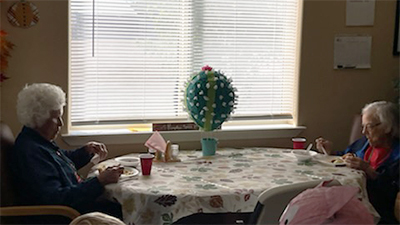
Families likewise fear that a respite stay will become long-term positioning versus their will. Trusted communities do not lock families into long‑term agreements from a respite admission, though some will definitely recommend remaining if the match is good. The genuine risk is more mental than contractual: when caretakers experience a week of complete nights of sleep, they may realize they can no longer securely resume the previous strength of care. That is not a trap, it is insight.
Finally, older adults often fret they are being "sent out away." This is specifically unpleasant when the older adult has long valued independence. How you frame the stay matters. Highlighting concrete goals, such as "dealing with therapy to build strength," or "staying someplace safe while we get the restroom refurbished," respects their dignity more than unclear reassurances.
Avoiding the most common mistakes
Over time, certain patterns show up in respite stories that went poorly.
Families in some cases underreport requirements during the assessment, hoping to keep costs lower or avoid scaring off a neighborhood. The drawback is foreseeable: staff are unprepared, care plans are underpowered, and conflicts occur. It is usually better to be candid about incontinence, behavioral episodes, or night wandering.
Another error is assuming that a lovely building warranties great care. Marble lobbies and fresh paint do not transfer residents safely. Peaceful observation informs you more. Do call lights sound forever? Are homeowners groomed and properly dressed? Do staff welcome locals by name or walk past them?
Some caretakers disappear completely during a respite stay. While the point is to rest, it helps to keep a cadence of check‑ins, even if by phone. This provides staff a resource for questions and assures the older grownup. Short visits, specifically early on, can minimize anxiety.
On the flip side, hovering can also backfire. If relative question every choice in front of the older grownup or override staff constantly, it produces confusion and undermines trust. A much healthier balance is to raise issues independently, ask for regular updates, and offer the group area to implement the care plan.
When respite ends up being a pathway to longer‑term care
One underappreciated value of respite care is as a low‑commitment test of common living. Households often state, "Mom would never ever consent to a nursing home" or "Dad might not manage assisted living." After a brief stay, they in some cases discover:
The older adult actually delights in the social environment more than expected.
Staff notification safety problems that were not obvious during quick family visits. Caregivers experience such relief that they reassess what is sustainable.In some cases, the older adult declines to go back home, specifically if home felt separating. In others, the respite stay verifies that home remains the best setting, but with included assistances such as home health services or adult day programs.
A beneficial workout after any respite stay is a short, honest debrief amongst household and, when appropriate, with the older adult. Concerns to ask:
Did this stay enhance anybody's health, stress level, or functioning?
What aspects were plainly favorable or plainly negative? If we required assistance once again in six months, what would we do differently?Treat respite not just as a pressure valve, however as information. It reveals how your loved one handles in a structured environment and how you, as caretakers, function with support.
Bringing it back to day‑to‑day senior care
Respite care in assisted living and nursing homes is one of the more flexible tools available in senior and elderly care. It can support a spouse who just needs 10 nights of unbroken sleep. It can give an adult kid space to recuperate from surgical treatment or fulfill a work dedication. It can support somebody after a hospitalization up until the ideal home supports are in place.
The key is positioning. Align the setting with medical truths. Line up costs with your spending plan and insurance coverage possibilities. Line up expectations with what short‑term residential care can reasonably provide.
Families that approach respite care with clear goals, honest details, and a willingness to observe and find out tend to come away not just rested, but better geared up to navigate the next phases of aging. In a landscape where there are no ideal answers, that mix of relief and insight deserves an excellent deal.
BeeHive Homes of Portales provides assisted living care
BeeHive Homes of Portales provides memory care services
BeeHive Homes of Portales provides respite care services
BeeHive Homes of Portales supports assistance with bathing and grooming
BeeHive Homes of Portales offers private bedrooms with private bathrooms
BeeHive Homes of Portales provides medication monitoring and documentation
BeeHive Homes of Portales serves dietitian-approved meals
BeeHive Homes of Portales provides housekeeping services
BeeHive Homes of Portales provides laundry services
BeeHive Homes of Portales offers community dining and social engagement activities
BeeHive Homes of Portales features life enrichment activities
BeeHive Homes of Portales supports personal care assistance during meals and daily routines
BeeHive Homes of Portales promotes frequent physical and mental exercise opportunities
BeeHive Homes of Portales provides a home-like residential environment
BeeHive Homes of Portales creates customized care plans as residents’ needs change
BeeHive Homes of Portales assesses individual resident care needs
BeeHive Homes of Portales accepts private pay and long-term care insurance
BeeHive Homes of Portales assists qualified veterans with Aid and Attendance benefits
BeeHive Homes of Portales encourages meaningful resident-to-staff relationships
BeeHive Homes of Portales delivers compassionate, attentive senior care focused on dignity and comfort
BeeHive Homes of Portales has a phone number of (505) 591-7025
BeeHive Homes of Portales has an address of 1420 S Main Ave, Portales, NM 88130
BeeHive Homes of Portales has a website https://beehivehomes.com/locations/portales/
BeeHive Homes of Portales has Google Maps listing https://maps.app.goo.gl/1xZDfURp3wt4uv3T6
BeeHive Homes of Portales has TikTok page https://tiktok.com/@beehive.home.of.portales
BeeHive Homes of Portales has an YouTube page https://www.youtube.com/@WelcomeHomeBeeHiveHomes
BeeHive Homes of Portales has Facebook page https://www.facebook.com/BeeHiveHomesOfPortales
BeeHive Homes of Portales has Instagram page https://www.instagram.com/beehivehomesofportales/
BeeHive Homes of Portales won Top Assisted Living Homes 2025
BeeHive Homes of Portales earned Best Customer Service Award 2024
BeeHive Homes of Portales placed 1st for New Mexico Senior Living Communities 2025
People Also Ask about BeeHive Homes of Portales
What is BeeHive Homes of Portales Living monthly room rate?
The rate depends on the level of care that is needed. We do a pre-admission evaluation for each resident to determine the level of care needed. The monthly rate is based on this evaluation. There are no hidden costs or fees
Can residents stay in BeeHive Homes of Portales until the end of their life?
Usually yes. There are exceptions, such as when there are safety issues with the resident, or they need 24 hour skilled nursing services
Do we have a nurse on staff?
No, but each BeeHive Home has a consulting Nurse available 24 – 7. if nursing services are needed, a doctor can order home health to come into the home
What are BeeHive Homes of Portales's visiting hours?
Visiting hours are adjusted to accommodate the families and the resident’s needs… just not too early or too late
Do we have couple’s rooms available?
Yes, each home has rooms designed to accommodate couples. Please ask about the availability of these rooms
Where is BeeHive Homes of Portales located?
BeeHive Homes of Portales is conveniently located at 1420 S Main Ave, Portales, NM 88130. You can easily find directions on Google Maps or call at (505) 591-7025 Monday through Sunday 9:00am to 5:00pm
How can I contact BeeHive Homes of Portales?
You can contact BeeHive Homes of Portales by phone at: (505) 591-7025, visit their website at https://beehivehomes.com/locations/portales/ or connect on social media via TikTok Facebook or YouTube
Residents may take a trip to the Roosevelt County Historical Museum. The Roosevelt County Historical Museum provides local heritage displays ideal for assisted living and memory care residents during senior care and respite care outings.